Skip to content

Understanding Dólar Blue and Paying in Argentina: A Traveler’s Guide (2026)

    If you’re planning a trip to Argentina, you’ve probably come across the term “Dólar Blue”. But what exactly is it, and why do so many travel guides mention it?
    The short answer is that it used to make a huge difference for travelers (prices could differ by as much as 300%). Today, however, things have changed considerably.
    Understanding how Dólar Blue works—and why it became so important—is still useful, even if it’s no longer the obvious choice for saving money.
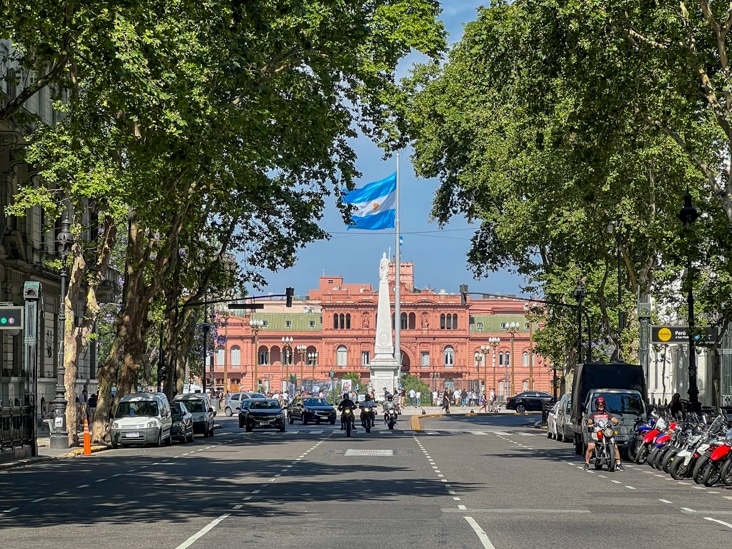
    Una foto de la bandera argentina en la Plaza de Mayo, que simboliza los cambios de moneda de los que se habla en el artículo.
    The Argentine flag waves in Plaza de Mayo, an emblem of changes in the nation. Explore the evolving financial dynamics.

    Table of Contents

    A Brief History of Dólar Blue in Argentina

    Dólar Blue emerged because of strict restrictions on buying U.S. dollars. For many years, Argentine banks could only sell limited amounts of USD to local residents, creating a parallel market where dollars could be bought and sold freely.
    Over time, this unofficial exchange rate became widely accepted and even part of everyday conversations in Argentina.
    For international travelers, Dólar Blue became especially attractive because exchanging cash at the blue rate often meant receiving significantly more pesos than at the official exchange rate.
    At its peak, the difference between the official exchange rate and Dólar Blue reached nearly 300%, making it one of the biggest travel money hacks in the world.
    Today, thanks to changes in government policies and exchange rate regulations, that gap has almost disappeared. Still, understanding the system helps explain why you’ll continue hearing about Dólar Blue when researching Argentina.
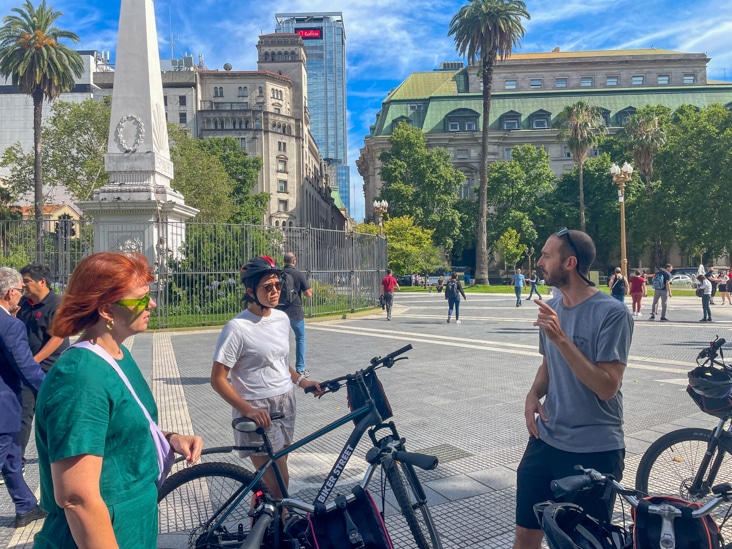
    Un anfitrión de una excursión en bicicleta compartiendo sus conocimientos sobre el cambio de divisas en Argentina.
    A bike tour host providing insights on the current exchange rate situation in Argentina, blending exploration with financial awareness.

    How Travelers Pay in Argentina Today

    For most travelers, paying by credit card is currently the easiest and most convenient option.
    Foreign Visa and Mastercard transactions are generally processed using the dollar MEP exchange rate, which is now almost identical to both the official exchange rate and Dólar Blue. That means you can simply pay with your card without worrying about finding a currency exchange office.
    That said, carrying a small amount of cash is still a good idea. Small cafés, local markets, street food vendors, and some taxis may prefer or require cash payments.
    ATMs, however, remain the least attractive option. Withdrawal fees are high, limits are usually low, and they rarely offer the best overall value.
    💡 Want a detailed comparison of Dólar MEP, Western Union, and Dólar Blue? Check out our complete payment guide.
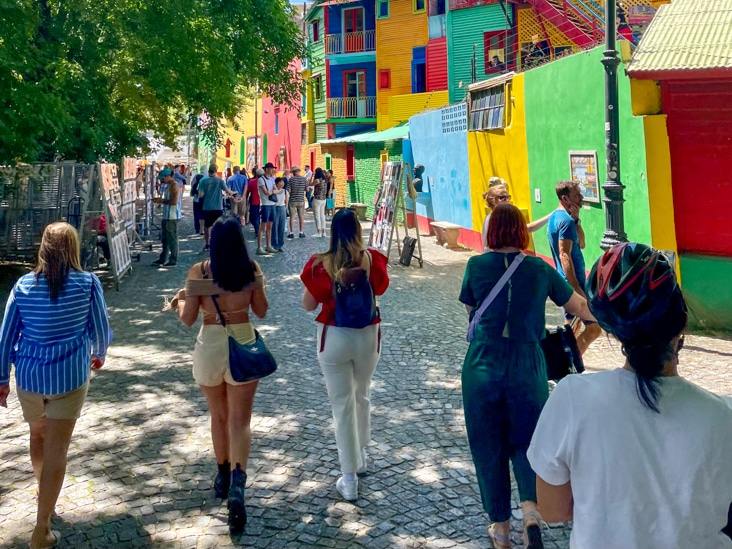
    Viajeros disfrutando de la colorida zona comercial de Caminito, este el artículo explora el impacto de los cambios de moneda en la experiencia turística.
    Travelers exploring the vibrant Caminito area, known for souvenirs. Discover how currency changes impact your shopping experience.

    Argentina's Economy Can Change Quickly

    One thing visitors should always keep in mind is that Argentina’s economy is constantly evolving.
    Exchange rates, government regulations, and inflation can all change within a relatively short period. While today’s exchange rates are remarkably similar, that wasn’t the case just a few years ago—and it may not always remain this way.
    If a significant gap between the official exchange rate and Dólar Blue returns in the future, travelers using exchanged cash could once again notice meaningful savings.
    For now, though, the difference is so small that convenience usually matters more than chasing a slightly better exchange rate.
    📌 Curious about how affordable Buenos Aires currently is? Read our guide to prices and inflation for travelers.

    Example: What Your Dinner Could Cost

    Imagine you’re having dinner at a great restaurant in Buenos Aires, and the bill comes to ARS 120,000.
    Here’s approximately what you’d pay using today’s exchange rates:
    Credit card (Dólar MEP – 1 USD = 1,500 ARS).
    120,000 ÷ 1,500 ≈ USD 80
    Cash withdrawn from an ATM (Official rate – 1 USD = 1,495 ARS, plus ATM fees)
    120,000 ÷ 1,495 ≈ USD 80.30, plus ATM withdrawal fees.
    Cash exchanged at Dólar Blue (1 USD = 1,495 ARS)
    120,000 ÷ 1,495 ≈ USD 80.30
    As you can see, the difference between the three exchange rates is now practically negligible. In today’s market, there’s little financial incentive to seek out Dólar Blue solely for a better exchange rate.
    However, Argentina’s economy has historically changed rapidly. That’s why it’s always worth checking the latest exchange rates before your trip rather than relying on information that may be several months old.

    Final Tips for Paying in Argentina

    Argentina’s exchange rate system may seem confusing when you first start planning your trip, but it’s much simpler than it used to be.
    Today, paying with a credit card is generally the easiest, safest, and most practical option. Carrying a small amount of pesos in cash is still recommended for places that don’t accept cards, but there’s usually no need to exchange large amounts of money in advance.
    Above all, don’t let exchange rates become the focus of your trip. Buenos Aires is best experienced through its cafés, neighborhoods, architecture, food, and people—not by constantly calculating the value of every peso.
    Thank you for visiting! By supporting us on BuyMeACoffee, you’re not just embracing local bike tours; you’re championing a small business, a content creator, and a passionate explorer of languages and cultures. Your contribution fuels our shared journey and helps keep the wheels turning. Gracias for being a part of the adventure!