

Last reviewed on June 28th, 2026
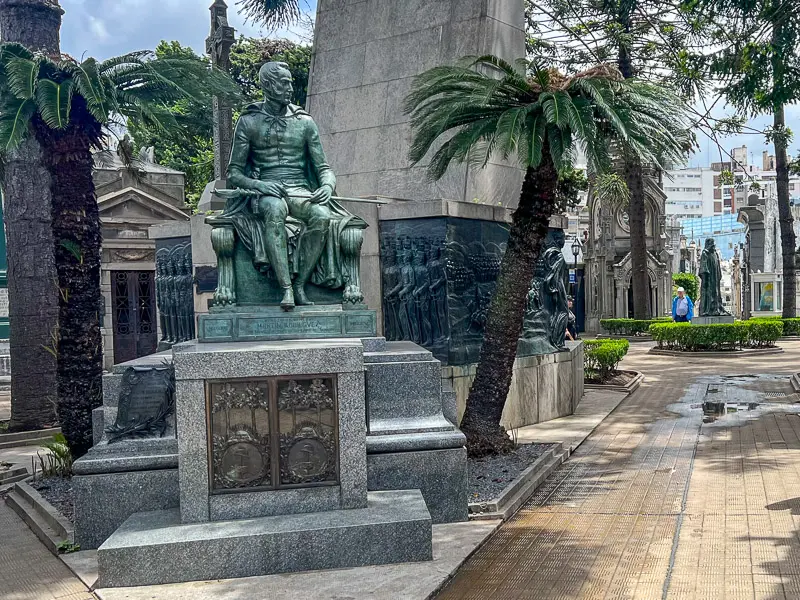
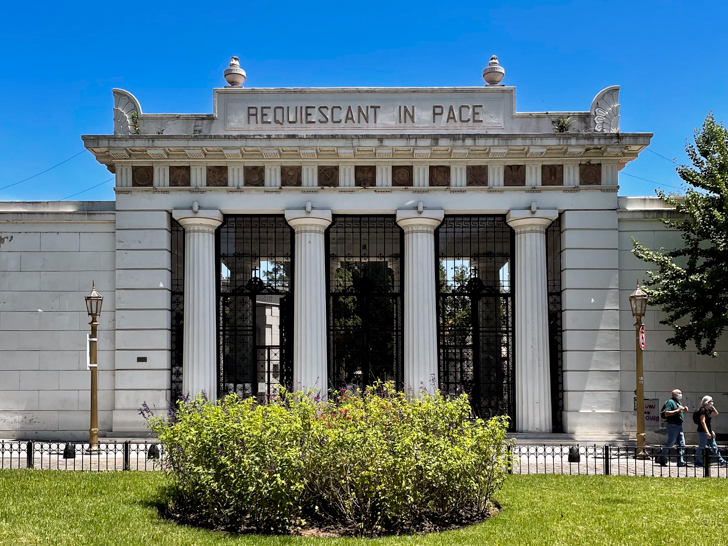
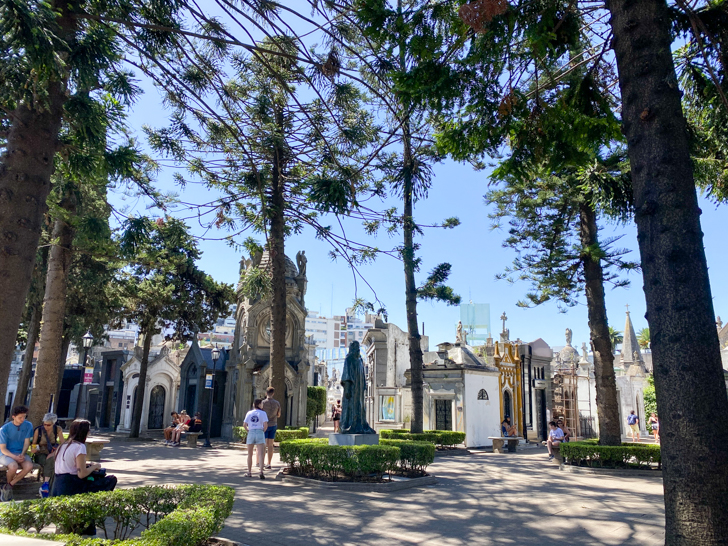
The Recoleta Cemetery is one of the most fascinating places in Buenos Aires. It is not just a cemetery, but a quiet city within the city. Behind its heavy iron gates, you’ll find narrow alleys, small squares, marble chapels, and hundreds of mausoleums that tell the story of Argentina’s political, cultural, and social history.
Located in the elegant Recoleta neighborhood, right next to cafés, museums, and parks, this cemetery surprises many visitors. It feels more like an open-air museum than a burial ground. In fact, it is considered one of the most important cemeteries in the world for its architecture and the historical figures resting there.
But what makes it so special, and how should you plan your visit? Let’s explore it step by step.
Quick Guide to Visiting Recoleta Cemetery
Why Recoleta Cemetery is So Famous
At first glance, it may seem unusual that a cemetery is a top tourist attraction. But Recoleta Cemetery is different. It is famous for three main reasons:
The Architecture: The mausoleums are built in a wide variety of styles: neoclassical temples, art deco structures, gothic chapels, and even small replicas of European churches. Walking through it feels like traveling through different eras of architectural history.
The Residents: Many of Argentina’s most influential figures are buried here: presidents, Nobel Prize winners, military leaders, artists, and writers. Each tumba tells a story, not only of a person but of a defining moment in Argentine history.
The Unique Atmosphere: Unlike many cemeteries, Recoleta is not silent in a heavy way. It is peaceful, yet full of life. Visitors wander through its corridors, guided tours explain local history, and light filters through the trees and stone structures, creating an atmosphere that mixes reflection with curiosity.
A Brief History of the Site
The cemetery was established in 1822, making it one of the oldest public burial sites in Buenos Aires. It was built on land that originally belonged to the convent of the Recollect monks (Monjes Recoletos), which is exactly where the neighborhood gets its name.
At that time, Buenos Aires was growing rapidly, and the city needed a formal burial place outside the crowded churchyards. Recoleta became the chosen location, gradually evolving into the ultimate resting place for the country’s elite families.
Over time, wealthy Argentine families began commissioning elaborate mausoleums. They hired European architects and sculptors, especially from Italy and France, which explains the strong European influence you see today. Many of the tombs were designed not just as burial spaces, but as monuments meant to display status, memory, and legacy.
Layout and What Makes it Unique
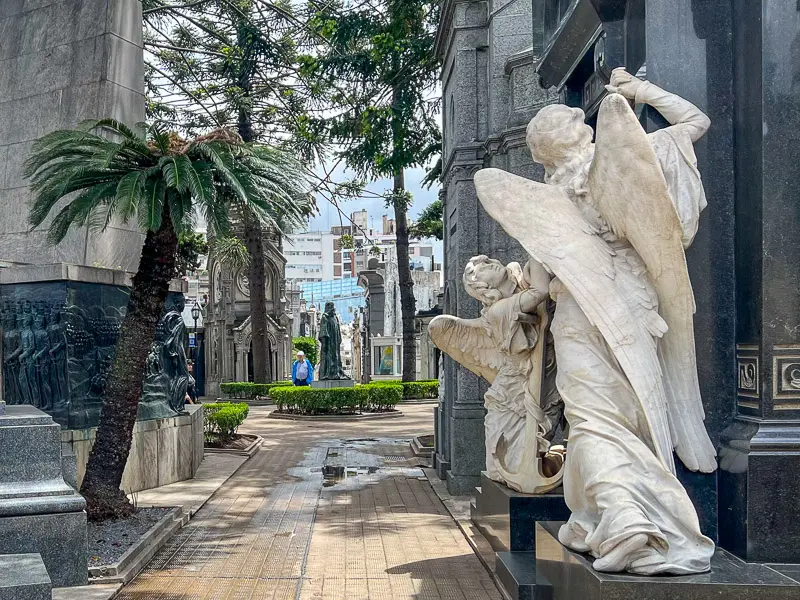
One of the most striking things about Recoleta Cemetery is how compact it is. It covers just a few city blocks, yet contains more than 4,000 mausoleums. There are no long green fields like in traditional modern cemeteries. Instead, there are narrow walkways that form a labyrinth between small architectural structures.
Each turn reveals something different: a marble angel, a broken column symbolizing a life cut short, or a sealed bronze door with intricate details. Families did not simply bury their loved ones; they built miniature worlds for them. Some include stained glass windows, statues of praying figures, or symbolic objects that represent the deceased’s life or profession.
Some even reflect the passions of those buried inside. There is, for example, a mausoleum dedicated to a lifelong supporter of River Plate, one of Argentina's most famous football clubs.
Famous Figures: Eva Perón and the Most Visited Tomb
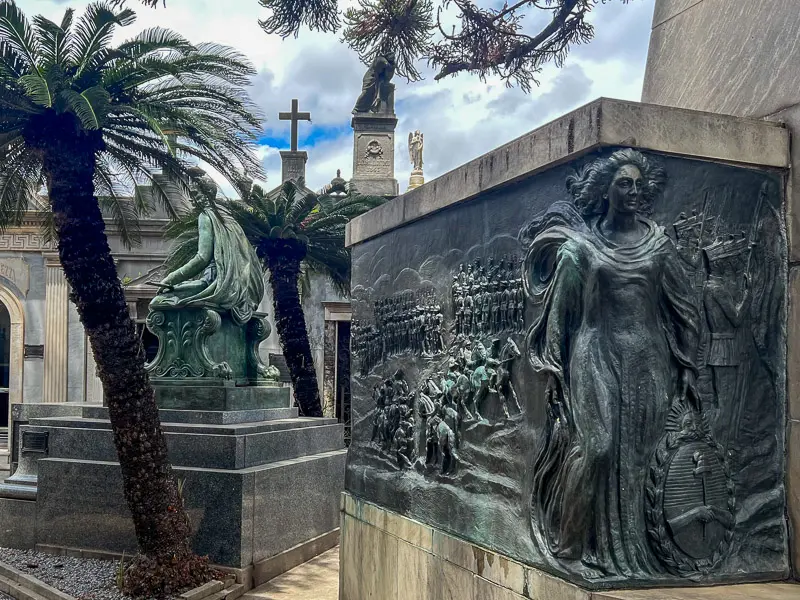
Recoleta is home to many important national figures, including former presidents, writers, scientists, and cultural icons. Each tomb carries a different chapter of the country’s past. However, there is one name that attracts visitors from all over the world more than any other.
Eva Perón, also universally known as Evita, is arguably the most famous person buried in Argentina. Her tomb in Recoleta Cemetery remains the single most visited spot on the grounds.
Evita was the wife of President Juan Domingo Perón and became a powerful political figure in her own right, remembered for her work advocating for workers’ rights, women’s suffrage, and social justice. Her mausoleum is located in the Duarte family vault. While it is relatively modest compared to some of the grander, towering monuments nearby, it is always beautifully adorned with fresh flowers left by visitors.
But Evita's story doesn't end at this mausoleum. In fact, the journey her body took after her death is one of the cemetery's most extraordinary stories. To discover that tale—and many other myths and legends hidden within Recoleta Cemetery— be sure to read our full guide on Recoleta Cemetery ghosts, myths, and legends to discover the dark secrets behind the vaults.
Recoleta Cemetery Tickets and Entrance Fees
Visiting Recoleta Cemetery requires a paid entry ticket for international tourists. The price is tied to local currency values but generally translates to the range of USD 16 to USD 17 per person.
Important Payment Note: Tickets must be purchased at the main entrance or online at the website of Buenos Aires Goverment. The ticket office operates exclusively with credit or debit cards. Carrying local cash is always good for the surrounding area, but do not rely on cash to buy your entry ticket here.
For Argentine residents, admission is free upon presentation of a valid National ID (DNI) at the turnstiles.

Opening Hours and Best Time to Visit
The cemetery is open daily, from 9:00 AM to 5:00 PM.
The absolute best time to visit is in the morning, shortly after opening. At that hour, the morning light is softer for photography, the temperature is more pleasant, and you will avoid the large tour groups. Late afternoon is also beautiful, but we highly discourage entering close to closing time, as the staff will begin clearing the labyrinth paths promptly, leaving you with very little time to explore comfortably.
Guided Tour vs. Self-Guided Visit
How much time should you spend? Most visitors find that 30 minutes to 1.5 hours is the ideal duration. How you choose to spend that time depends on your travel style:
Self-Guided Visit: Gives you total freedom to wander, follow your own curiosity, and take photos at your own pace without rushing. It’s perfect for independent explorers.
Guided Tour: Adds critical historical and cultural context. Many of the most fascinating details are hidden in plain sight or written in symbols you might miss. A guide transforms the cemetery from a striking stone maze into a living history lesson.

What to See Nearby in the Recoleta Neighborhood
The cemetery sits right in the cultural heart of Recoleta, making it incredibly easy to pair with other nearby landmarks immediately after your visit:
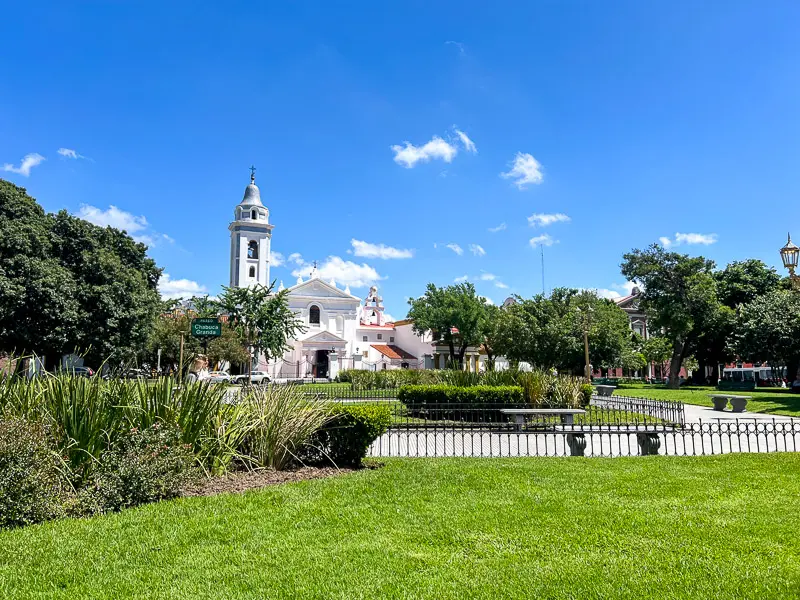
Basilica Nuestra Señora del Pilar: Located right next to the gates, this beautiful colonial-style church dates back to the 18th century. Its bright white façade offers a peaceful contrast to the monumental stone structures of the cemetery.
Centro Cultural Recoleta: A vibrant, former convent turned cultural space that hosts contemporary art exhibitions, murals, and local creative events.

Plaza Francia: The expansive green space right in front of the cemetery. If you visit on a weekend, you’ll catch the famous local craft fair, making it an excellent spot to relax and watch the city go by.
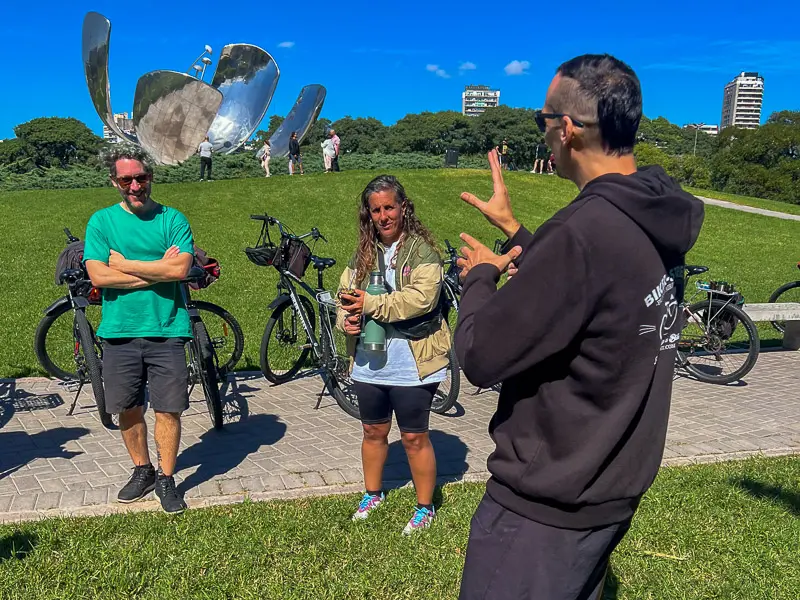
Floralis Genérica: A short, pleasant walk will take you to this giant metallic flower sculpture. It mechanically opens and closes depending on the time of day and is one of Buenos Aires' most iconic modern landmarks.
Quick Tips for an Ideal Visit
Wear comfortable, sturdy shoes; the historic stone paths can be uneven.
Grab a digital map or keep your smartphone ready, as the grid layout can easily feel like a maze.
Always maintain a respectful tone and volume; while it serves as an open-air museum, it remains an active, sacred burial site for local families.

Conclusion: Is It Worth It?
Absolutely. Recoleta Cemetery is a powerful, reflective experience that stays with you long after you pass back through the iron gates. It offers a unique window into the identity of Buenos Aires, where history, art, and memory are permanently carved into stone. It is an essential stop to truly understand the city beyond its surface.