


Buenos Aires Before an Antarctica Cruise
If you’re traveling to Antarctica from the other side of the world, there’s a good chance Buenos Aires will be your first stop in Argentina.
For many travelers, the city is only a short stop before heading south to Ushuaia and boarding their expedition. You may have one full day, two days, or perhaps just a night before your next flight.
That might not sound like much time. But you don’t need a week to experience Buenos Aires.
The key is knowing what to prioritize.
Buenos Aires is a big city, and its different neighborhoods each have their own personality. Palermo feels very different from San Telmo. Recoleta has a completely different atmosphere from La Boca. And some of the best parts of the city are not necessarily the ones you would discover by simply following a list of tourist attractions.
So, if Buenos Aires is part of your journey to Antarctica, how much time should you spend here? What should you see if you only have a day or two? And is it better to explore before your expedition or save your Buenos Aires time for afterwards?
We’re a small team of local hosts, and we’ve spent years showing visitors around the city by bike. This guide is about helping you make the most of the time you actually have — without trying to squeeze all of Buenos Aires into one exhausting day.
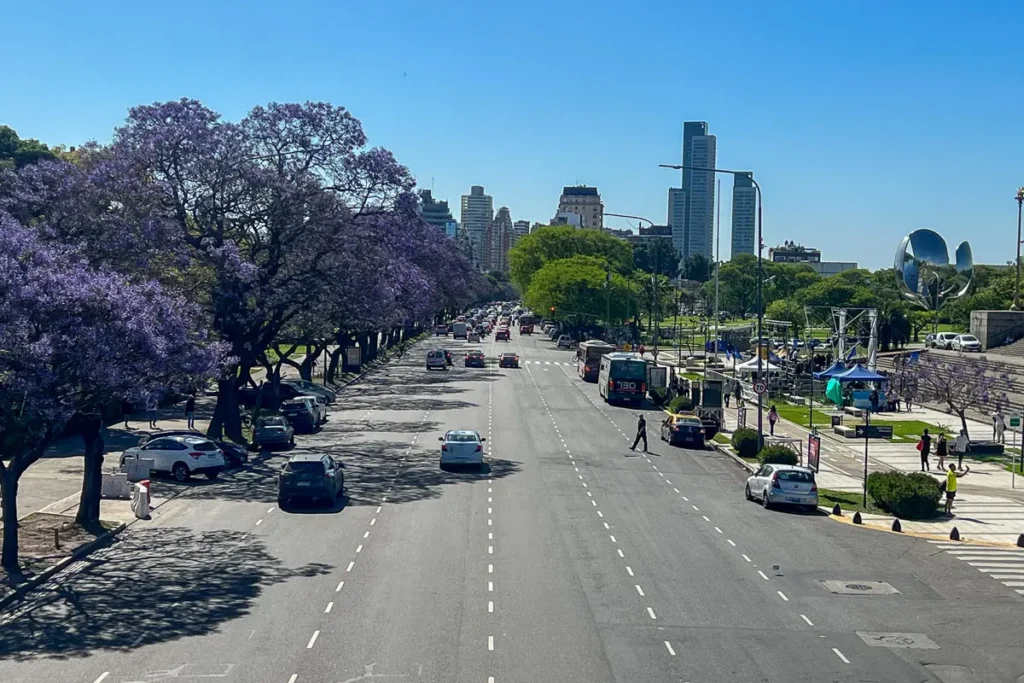
How Many Days Do You Need in Buenos Aires Before Antarctica?
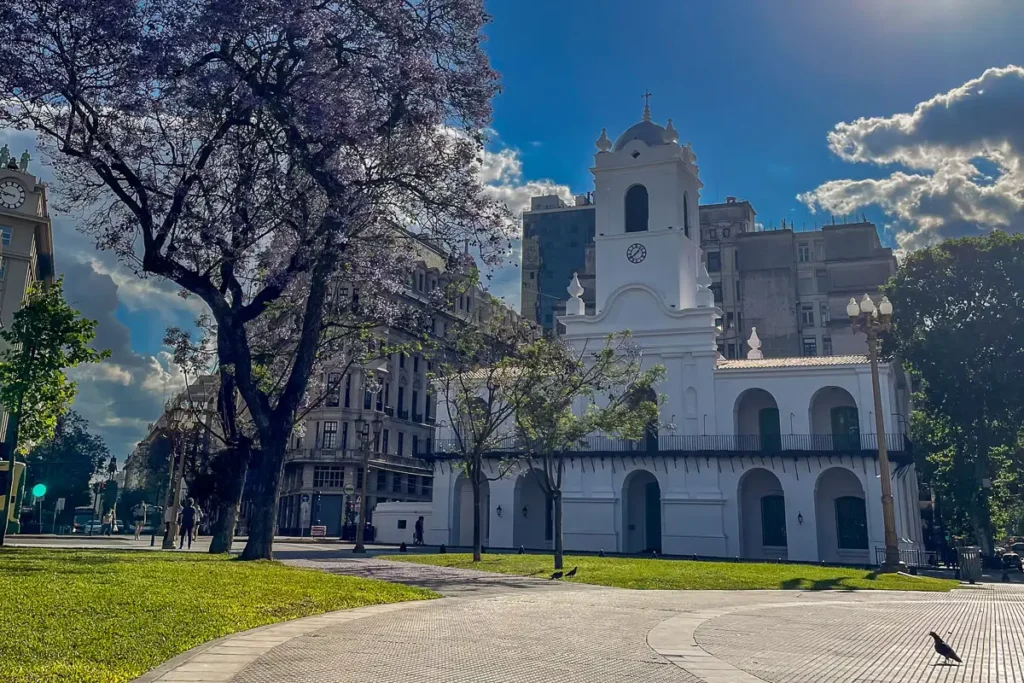
The first thing to consider is your expedition schedule.
Most Antarctica journeys involving Buenos Aires use the city as a stop before traveling south to Ushuaia, with travelers often spending at least one night in Buenos Aires before continuing their journey. Some expedition itineraries even include the Buenos Aires hotel night as part of the pre-expedition arrangements.
If you have the choice, though, we would recommend giving Buenos Aires a little more time.
One night
If you only have one night, think of Buenos Aires mainly as a stopover.
You’ll probably arrive after a long international flight, get to your hotel, have dinner, and get some sleep before continuing to Ushuaia.
If you have a few hours to spare, you can still get a first taste of the city. But we wouldn’t try to turn those few hours into a full sightseeing marathon.
Two nights
Two nights gives you something much more valuable: one proper day in Buenos Aires.
That is enough time to explore several of the city’s most interesting areas, have a good lunch, stop for a coffee or something local to eat, and get a feel for Buenos Aires beyond the main landmarks.
This is where planning makes a big difference.
Rather than spending half your day moving from one attraction to another, you can combine neighborhoods that make sense together and actually enjoy the city along the way.
Three nights
With three nights, you have two full days to explore, and the experience becomes much more relaxed.
You can dedicate one day to the historic side of Buenos Aires — San Telmo, Plaza de Mayo, La Boca and Puerto Madero, for example — and another to the northern neighborhoods, such as Recoleta and Palermo.
You also have time to do something that is just as important as sightseeing: eat, wander and experience the city at its own pace.
And if your trip also includes Patagonia, three nights in Buenos Aires can be a great way to ease into Argentina before heading south.
So, what would we choose?
If your itinerary allows it, we’d aim for two or three nights in Buenos Aires before Antarctica.
One night can work perfectly well as a stopover. Two nights gives you enough time to actually experience the city. Three nights gives you room to slow down and explore without constantly checking the clock.
The important thing is not to measure your Buenos Aires experience by the number of sights you manage to tick off.
You’re about to spend days surrounded by some of the most extraordinary landscapes on Earth. Buenos Aires can be the beginning of that adventure — a chance to slow down, eat well, discover a very different side of Argentina and get a feel for the country before heading to the end of the world.
Why Visit Buenos Aires Before Your Antarctica Expedition

Antarctica is probably the main reason you’re making this journey. Buenos Aires is something different.
It’s noisy, colorful, busy and full of contrasts. It’s a city where European influences mix with Latin American culture, where grand avenues sit alongside old neighborhood streets, and where a quick coffee can easily turn into a long conversation.
And that contrast is part of what makes Buenos Aires such a good introduction to Argentina.
Before heading south to the quiet and remote landscapes of Antarctica, you get the chance to experience a completely different side of the country.
You can walk through historic neighborhoods, see some of the city’s most iconic landmarks, sit down for an Argentine lunch, try mate, and simply spend some time observing how porteños live.
And there’s another advantage: Buenos Aires is a city that rewards curiosity more than checklists.
You don’t necessarily need to visit every museum or spend hours inside every landmark to understand the city. Sometimes, riding from one neighborhood to another, stopping for an empanada, watching people in a plaza or sitting down for a coffee tells you just as much.
That’s especially important when you only have a day or two.
Instead of trying to see everything, choose a few areas that give you a real sense of Buenos Aires — and connect them in a way that makes the journey part of the experience.
What to Do in Buenos Aires Before Your Antarctica Cruise
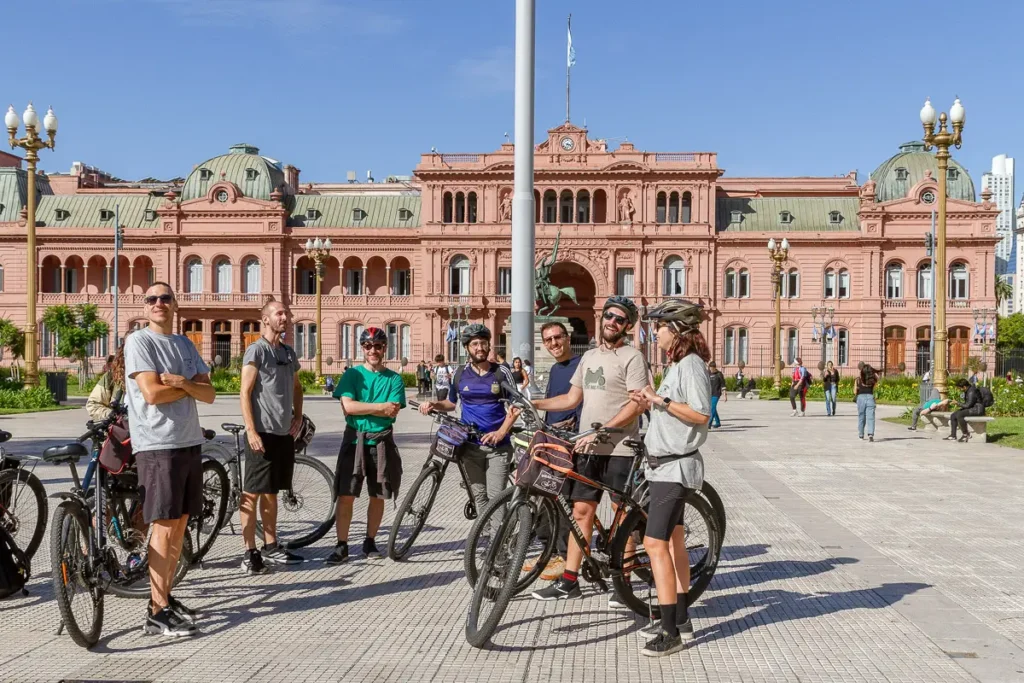
If you only have one or two days in Buenos Aires, you’ll need to be selective.
The city has far more to offer than you can realistically see in a short stay, so rather than trying to visit every famous attraction, we recommend choosing a few neighborhoods that show you different sides of Buenos Aires.
The good news is that many of the places visitors want to see can be combined into a single day without spending most of your time sitting in a car or going back and forth across the city.
Here are some of the areas we think are worth prioritizing before heading south.
San Telmo and the Historic Center
If you want to get a feel for the older side of Buenos Aires, start in the city center and San Telmo.
Plaza de Mayo is the historical heart of the city, surrounded by some of Buenos Aires’ most important buildings. From there, you can continue towards San Telmo, one of the city’s oldest neighborhoods.
San Telmo is known for its old architecture, cobblestone streets, antique shops and lively atmosphere. On Sundays, its famous street market takes over the neighborhood, but it’s interesting to explore on any day of the week.
This is also a great area to stop for something to eat. An empanada, a coffee or a traditional Argentine lunch can easily become part of your sightseeing rather than something you have to squeeze into the schedule.
La Boca
A short ride from San Telmo takes you to La Boca, one of the most colorful and distinctive neighborhoods in Buenos Aires.
This is where you’ll find Caminito, with its brightly painted buildings, tango dancers and unmistakable tourist atmosphere.
But La Boca is more than Caminito.
The neighborhood has a strong connection to the history of immigration, football and the working port that helped shape Buenos Aires. With a local guide, you can get a better understanding of what you’re looking at instead of simply taking a few photos and moving on.
Puerto Madero
From La Boca, you can head towards Puerto Madero and see another completely different side of the city.
The old port has been transformed into a modern waterfront district, with renovated brick warehouses, restaurants and wide pedestrian areas along the water.
It’s a particularly interesting contrast with San Telmo and La Boca — and one of the reasons we like connecting these areas together.
Within a relatively short distance, you can go from the historic heart of Buenos Aires to an old working-class neighborhood and then to one of the city’s most modern areas.
Recoleta
If you have more time, Recoleta is worth adding to your itinerary.
The neighborhood is known for its elegant architecture, leafy streets and the famous Recoleta Cemetery, where some of Argentina’s most important historical figures are buried.
It’s also a good place to slow down for a while. You can walk around the neighborhood, visit one of its cafés or simply enjoy the atmosphere before continuing your journey south.
If you only have one day, however, we wouldn’t try to combine every neighborhood on this list. Buenos Aires is much more enjoyable when you leave yourself enough time to actually experience the places you visit.
Palermo
Palermo is another side of Buenos Aires altogether.
It’s one of the city’s largest and most popular neighborhoods, with parks, tree-lined streets, cafés, restaurants, boutiques and plenty of local life.
If you have two or three days, Palermo pairs naturally with Recoleta and gives you a chance to see the more relaxed, contemporary side of Buenos Aires.
And if food is an important part of your trip, this is one of the areas where you’ll find plenty of options for experiencing Buenos Aires through its restaurants, cafés and local specialties.
Don't Try to See Everything
This is probably the most important piece of advice we can give you.
Buenos Aires is not a city you should try to “complete” before your Antarctica expedition.
If you have one day, choose a route that connects several neighborhoods and gives you a taste of the city’s history, architecture, food and everyday life.
If you have two or three days, slow down and give yourself time to explore different sides of the city.
After all, you’re not coming to Buenos Aires just to collect photos of famous landmarks. You’re coming to Argentina.
And sometimes the best memories are made in between the landmarks.
Making the Most of One Day in Buenos Aires
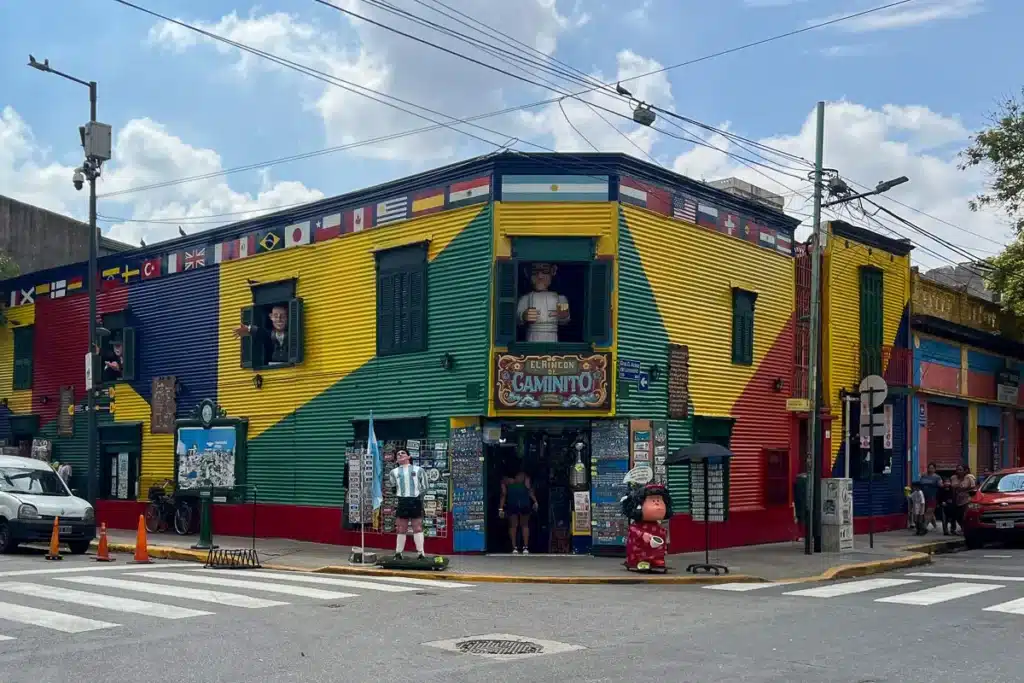
One day in Buenos Aires is short, but it’s enough to get a real taste of the city.
The trick is to avoid spending your day crossing Buenos Aires from one side to the other. Instead, choose a route that connects several neighborhoods and gives you a mix of history, culture, architecture and local life.
For a first visit, we would focus on the historic center, San Telmo, La Boca and Puerto Madero.
Start around Plaza de Mayo, the historical heart of Buenos Aires, and take some time to understand how the city grew around this area. From there, continue towards San Telmo, where the atmosphere changes completely.
Then head south to La Boca and Caminito. The colorful streets are certainly worth seeing, but take a moment to look beyond the postcard version of the neighborhood and learn about its immigrant roots, its connection to the port and its strong football culture.
From La Boca, continue towards Puerto Madero. The contrast is part of the experience: within the same morning or afternoon, you can go from some of the oldest parts of Buenos Aires to one of its most modern neighborhoods.
And, of course, leave some time for food.
You could stop for an empanada, sit down for an Argentine lunch or simply find a café and watch the city go by. You don’t need to turn every meal into another item on your sightseeing list.
What About Recoleta and Palermo?
If you only have one day, we would be careful about trying to add Recoleta and Palermo to the same itinerary.
They are north of the areas mentioned above, and crossing the city simply to tick another neighborhood off your list can leave you spending more time getting around than actually experiencing Buenos Aires.
If Recoleta and Palermo are particularly important to you, it may make more sense to choose them instead of some of the southern areas — especially if you have another day available.
And this is exactly why there isn’t one perfect one-day itinerary for everyone.
The best route depends on what you are interested in, where you are staying and how much time you actually have.
Make the Journey Part of the Experience
With only one day, how you move around the city matters.
Buenos Aires is big, but many of its neighborhoods are surprisingly enjoyable to explore by bike. Instead of spending your limited time inside a car or waiting for taxis, you can connect different parts of the city while seeing what happens between the major landmarks.
You also get a much better sense of the scale and character of Buenos Aires.
A one-day visit shouldn’t feel like a race.
You’re on your way to Antarctica. There’s no need to arrive in Ushuaia exhausted from trying to see absolutely everything in Buenos Aires.
Choose a route that makes sense, leave room for a good meal, and enjoy the ride.
If You Have More Time Before Antarctica
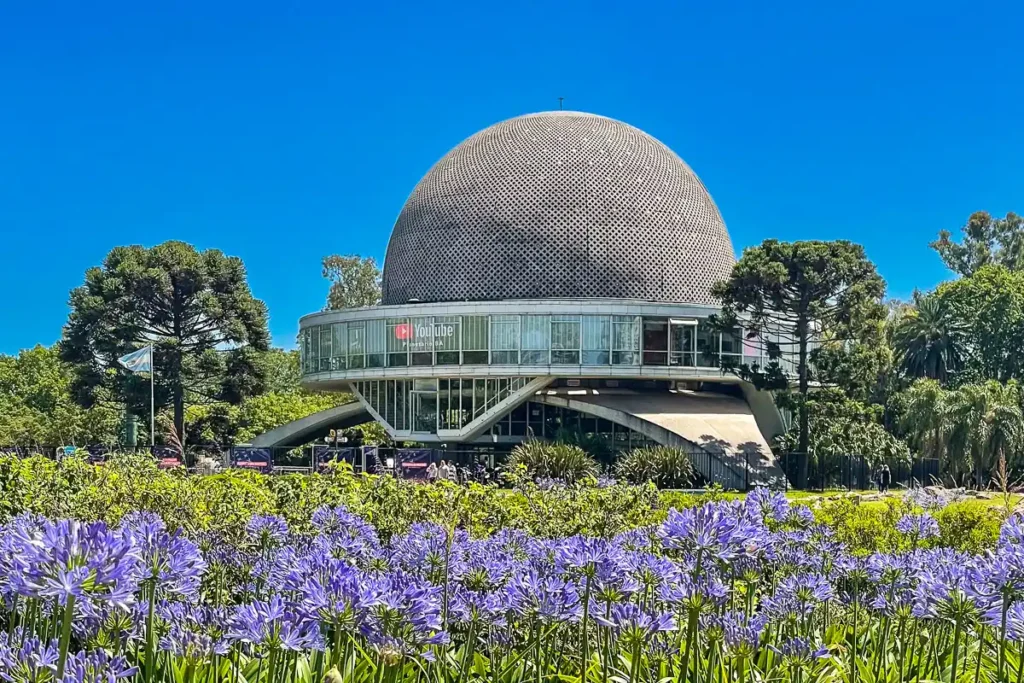
If you have two or three days in Buenos Aires before heading to Ushuaia, you can slow things down a little.
Instead of trying to combine the whole city into one long day, you can divide your time between different areas and leave room for the things that make Buenos Aires enjoyable beyond its landmarks.
Day 1: The Historic Side of Buenos Aires
Use your first day to explore the historic center, San Telmo, La Boca and Puerto Madero.
These areas work well together geographically and, more importantly, show you some of the contrasts that make Buenos Aires such an interesting city.
You’ll see grand historic buildings, old neighborhood streets, colorful La Boca and the modern waterfront of Puerto Madero — with plenty of opportunities to stop for something to eat along the way.
Day 2: Recoleta and Palermo
On your second day, head north.
Start in Recoleta and explore the neighborhood and its famous cemetery before continuing towards Palermo.
Here, the atmosphere changes again. You’ll find parks, tree-lined streets, cafés, restaurants and a more contemporary side of Buenos Aires.
This is also a good day to take things more slowly. Stop for a long lunch, have a coffee or simply wander without having another landmark waiting for you around the corner.
If You Have a Third Day
A third day gives you the luxury of choosing rather than rushing.
You could spend more time in a neighborhood you particularly enjoyed, explore some of Buenos Aires’ museums, dedicate part of the day to food and local markets, or simply leave the schedule open.
And if your trip also includes Patagonia, this extra day can be useful for enjoying Buenos Aires at a slower pace before continuing south.
You don’t need to fill every hour.
Sometimes, leaving a little space in your itinerary is exactly what allows a city to surprise you.
Why Explore Buenos Aires by Bike?

If you only have a day or two in Buenos Aires, how you move around the city can make a big difference.
Buenos Aires is a large city, and some of its most interesting neighborhoods are spread across different parts of it. By bike, you can cover more ground without spending your limited time sitting in traffic or going from one taxi to another.
But for us, the biggest advantage isn’t simply getting from A to B faster.
It’s what you experience along the way.
When you ride through Buenos Aires, you see the city changing around you. One street can take you from grand historic buildings to a quiet neighborhood, from busy avenues to tree-lined streets, or from a traditional market to a completely different part of the city.
You also have the freedom to stop.
See something interesting? Stop.
Want to take a photo? Stop.
Smell something coming from a bakery or a parrilla? You already know what to do.
That makes exploring Buenos Aires by bike very different from simply being driven from one attraction to another.
A Bike Tour Can Make the Most of a Short Stay
For travelers heading to Antarctica, this is particularly useful.
You may only have one full day in Buenos Aires, and you probably don’t want to spend half of it figuring out transportation. A guided bike tour can connect several neighborhoods in a single experience while giving you the context behind what you’re seeing.
You also get something that’s difficult to get from a guidebook: a local perspective.
Why is this neighborhood different from that one? Why do porteños spend so much time drinking mate? What’s the story behind that building? Why is football such a big part of everyday life?
These are the details that turn a sightseeing route into an experience.
And after a long journey from home, getting outside and moving through the city can be a pretty good way to start your Argentine adventure.
What About Food?
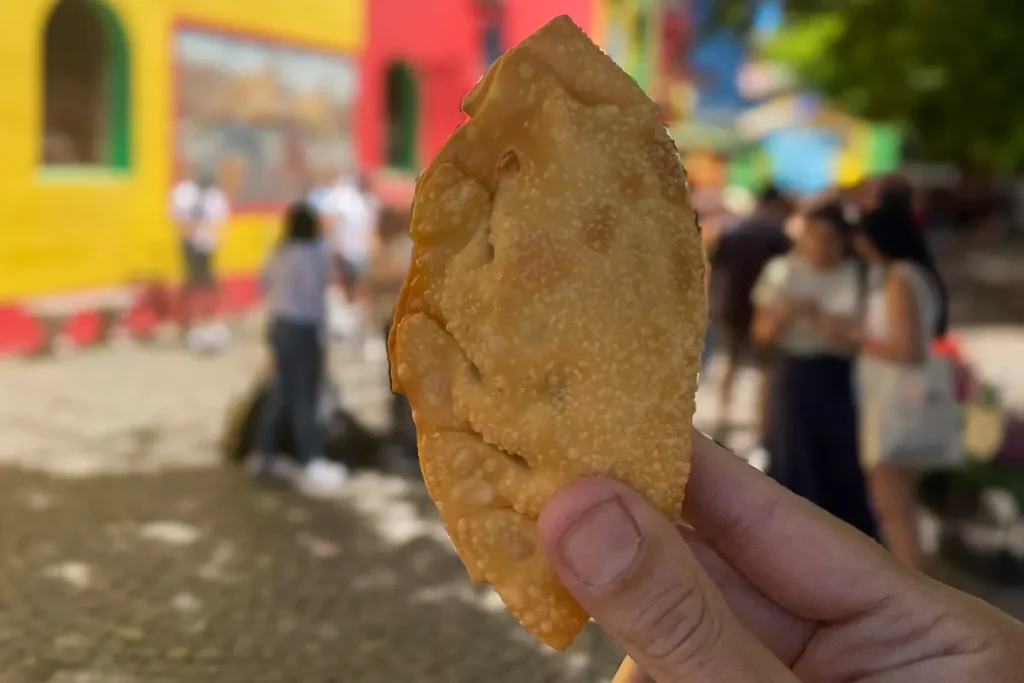
Food is a big part of experiencing Buenos Aires, and you don’t need to dedicate an entire day to it.
Even with a short stay, make time to try some of the things Argentina is known for. An empanada on the go, a traditional parrilla lunch, a choripán, or a good coffee in a neighborhood café can all become part of your experience of the city.
And don’t overlook mate.
Mate is much more than a drink in Argentina. It’s part of everyday life and one of those small cultural experiences that can tell you a lot about the people and the country.
If you have limited time before heading to Antarctica, we recommend thinking of food as part of your sightseeing rather than something separate from it.
A good meal isn’t a break from exploring Buenos Aires.
It is part of exploring Buenos Aires.
Getting From Buenos Aires to Ushuaia
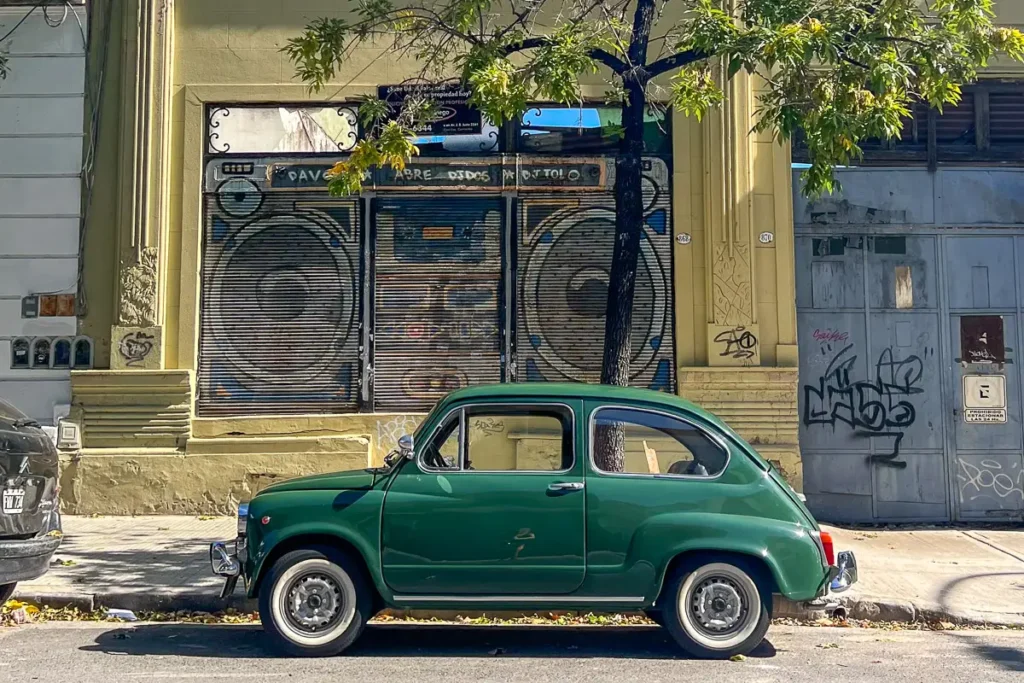
For most travelers heading to Antarctica, Buenos Aires is the starting point before continuing south to Ushuaia.
The journey from Buenos Aires to Ushuaia is usually by plane, and your expedition operator will normally provide the flight details if the transfer is included in your itinerary.
One thing worth paying attention to is which Buenos Aires airport you are flying from. Buenos Aires has two main airports: Ezeiza International Airport (EZE), where most international flights arrive, and Aeroparque Jorge Newbery (AEP), which handles many domestic flights, including flights to Ushuaia.
They are in different parts of the city, so don’t assume that your international arrival and your flight south will use the same airport.
If you have to arrange the connection yourself, allow enough time between flights and check the latest instructions from your airline or expedition operator before traveling.
For more information about getting around Buenos Aires, including the city’s airports and transportation options, see our Buenos Aires Transportation Guide.
Should You Visit Buenos Aires Before or After Antarctica?
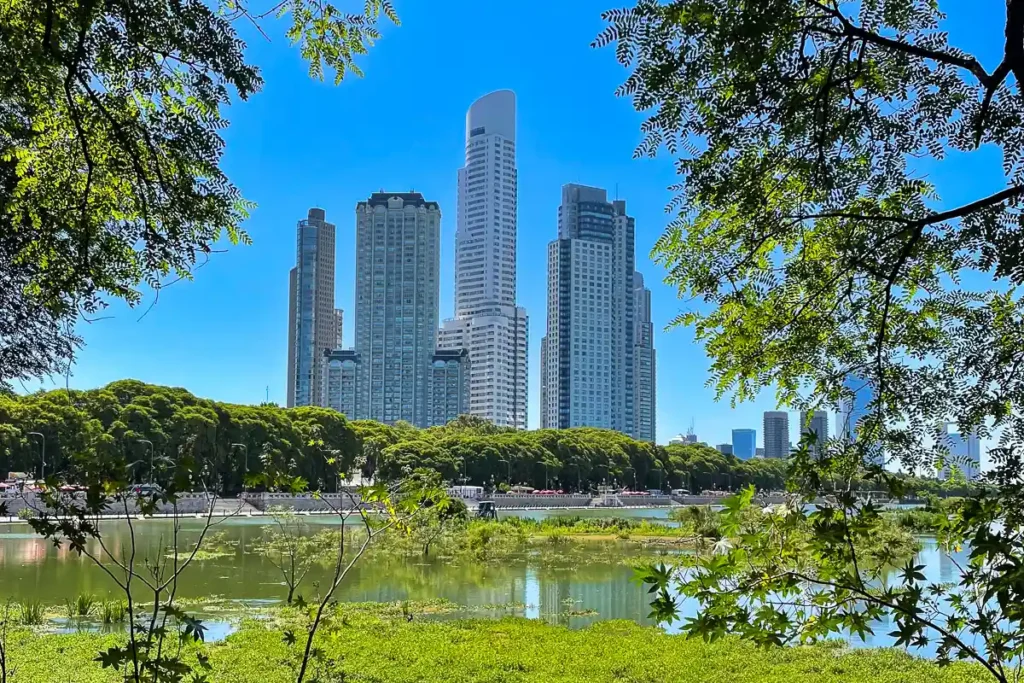
There’s no single right answer, but if you have the choice, we think Buenos Aires works particularly well before your Antarctica expedition.
Starting your trip in Buenos Aires gives you a gentle introduction to Argentina before heading to Ushuaia and the Antarctic Peninsula.
You can experience the energy of a big South American city, eat some traditional Argentine food, get used to the local rhythm and learn a little about the country before moving on to one of the most remote places on Earth.
There’s also a practical reason to arrive early.
International flights can be long and unpredictable, so having some time in Buenos Aires before your expedition gives you a buffer rather than making your connection to Ushuaia depend on everything going perfectly.
What If You Visit Buenos Aires After Antarctica?
That can work very well too.
In fact, after several days surrounded by ice, wildlife and almost complete silence, returning to Buenos Aires can be quite a contrast.
You may simply want to relax, enjoy a good meal and spend a couple of days taking in the city’s cafés, neighborhoods and nightlife before flying home.
If your itinerary gives you time on both sides of your expedition, you don’t necessarily need to choose. You could use your pre-Antarctica days for the highlights and leave some slower, more spontaneous exploring for after the expedition.
The best option ultimately depends on your flights and how much time you have.
But if Buenos Aires is your first stop in Argentina, we wouldn’t treat it as just a place to sleep before your flight south.
Give yourself enough time to experience it.
Why Explore Buenos Aires with Biker Street?
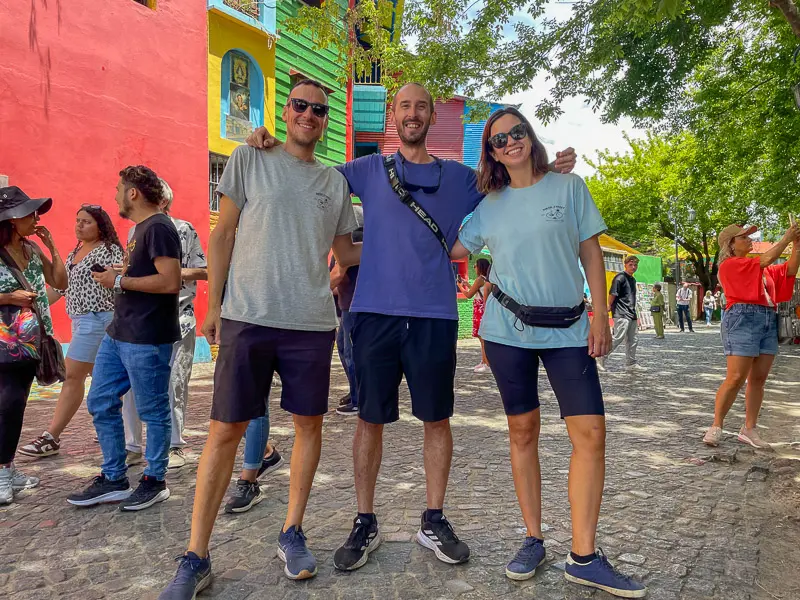
If you only have one or two days in Buenos Aires, having a local guide can make a big difference.
At Biker Street, we keep our groups small — a maximum of six people — because we believe exploring a city is much better when it feels personal.
We’re not interested in taking you from one landmark to another, giving you a rehearsed speech and sending you back to your hotel.
We want you to understand the city.
We’ll take you through different neighborhoods, explain the stories behind the places you’re seeing, answer your questions and share the everyday details that you probably wouldn’t discover on your own.
And because we’re riding, we can connect different parts of Buenos Aires without spending your limited time sitting in traffic.
For travelers heading to Antarctica, that combination makes a lot of sense: you get to see a lot of Buenos Aires in a relatively short time, without turning your day into a race.
Which Tour Is Right for You?
If you have around four hours, our History & Local Culture Bike Tour focuses on the historic side of Buenos Aires, including Plaza de Mayo, San Telmo, La Boca and Puerto Madero.
If you have a full day, our Total BA Full-Day Bike Tour allows you to connect the historic neighborhoods with Recoleta and Palermo, giving you a much broader picture of the city.
If you prefer a more relaxed four-hour ride, our Elegance & Latin Vibes Bike Tour explores Palermo and Recoleta, with a focus on the city’s architecture, parks, local life and some of Buenos Aires’ more elegant streets.
And if you have a specific itinerary in mind, our Tailored Journey can be adapted around your interests, schedule and the places you most want to see.
Whichever option you choose, the idea is the same:
Don’t just pass through Buenos Aires on your way to Antarctica. Experience it.
FAQS
How many days should I spend in Buenos Aires before Antarctica?
If you have the choice, we recommend spending two or three nights in Buenos Aires before heading to Ushuaia.
One night works if your itinerary is tight, but two nights gives you one proper day to explore the city, while three nights allows you to experience Buenos Aires at a more relaxed pace.
Is one day in Buenos Aires enough before an Antarctica cruise?
Yes. One full day is enough to get a good introduction to Buenos Aires if you plan it well.
Rather than trying to see everything, focus on a route that connects several neighborhoods, such as Plaza de Mayo, San Telmo, La Boca and Puerto Madero. A guided bike tour can also help you make better use of your limited time.
What should I do in Buenos Aires before going to Antarctica?
For a first visit, we recommend experiencing a mix of Buenos Aires’ historic neighborhoods, local culture, architecture and food.
Plaza de Mayo, San Telmo, La Boca, Puerto Madero, Recoleta and Palermo are all worth considering, depending on how much time you have. And don’t forget to leave some time for an Argentine meal, a coffee or a taste of mate.
Should I visit Buenos Aires before or after Antarctica?
Both options work well, but visiting Buenos Aires before your Antarctica expedition has some advantages.
It gives you a buffer before your connection to Ushuaia and lets you start your trip with a taste of Argentina before heading into the remote landscapes of Antarctica.
Visiting afterwards can be equally enjoyable, especially if you want to relax, eat well and spend a couple of days enjoying the city after your expedition.
How do I get from Buenos Aires to Ushuaia?
Most travelers continue from Buenos Aires to Ushuaia by plane. Depending on your itinerary, your expedition operator may arrange the flight as part of your pre-expedition package.
Make sure you check whether your flight leaves from Aeroparque (AEP) or Ezeiza (EZE), as they are different airports on opposite sides of the city.
If you are arranging your own flights, leave enough time between connections and always check the latest instructions from your airline or expedition operator.