Puerto Madero & Costanera Sur: Glass Towers and Street Flavors
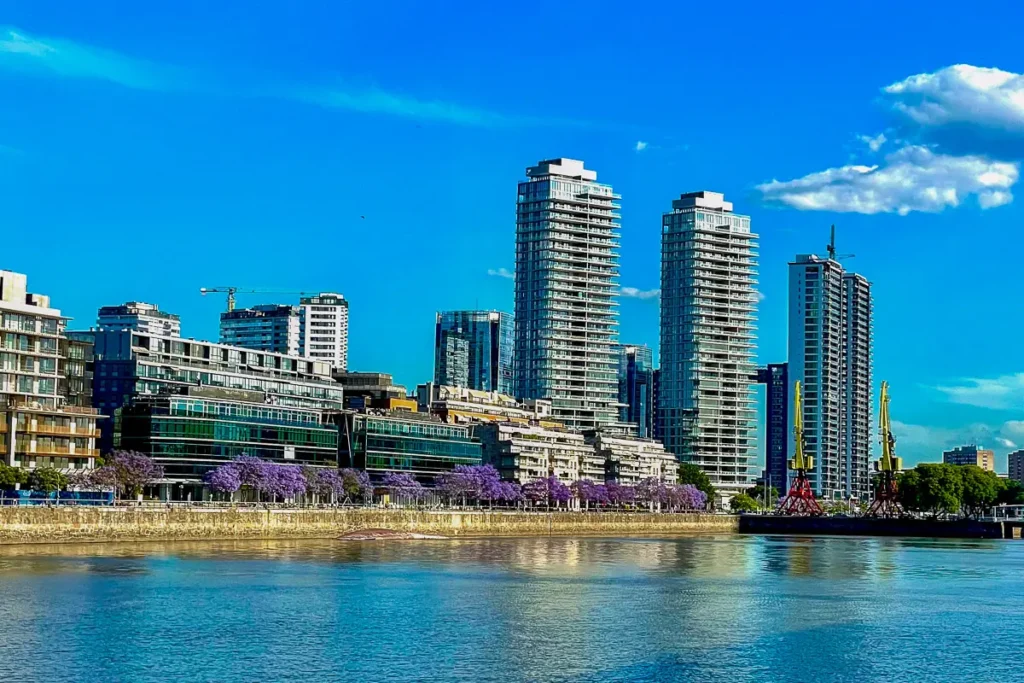
Start your route in Puerto Madero — the most modern and luxurious neighborhood in Buenos Aires. Old red-brick docks have been transformed into stylish lofts, restaurants, and offices, framed by impressive towers and wide walkways along the water.
Don’t miss Puente de la Mujer (the Woman’s Bridge), a sleek, white structure designed by Spanish architect Santiago Calatrava. It’s become a symbol of the area — and a favorite photo spot.
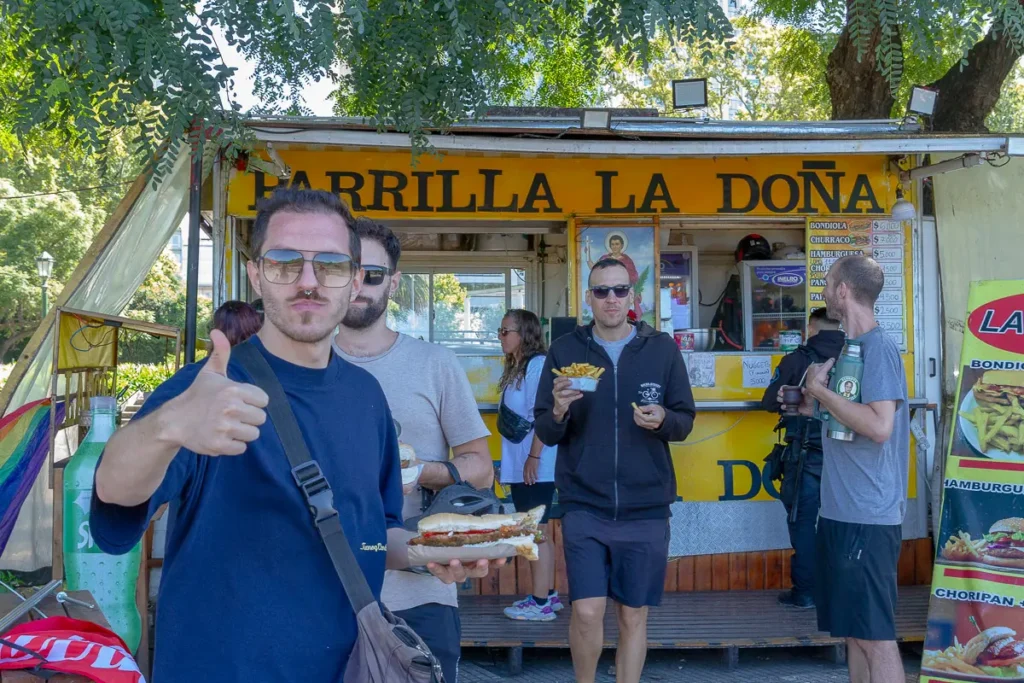
Behind the docks, walk toward Costanera Sur, where the mood shifts completely. Here, the river breeze and green spaces welcome locals looking to relax, go for a jog, or grab a bite from the famous parrilla food trucks.
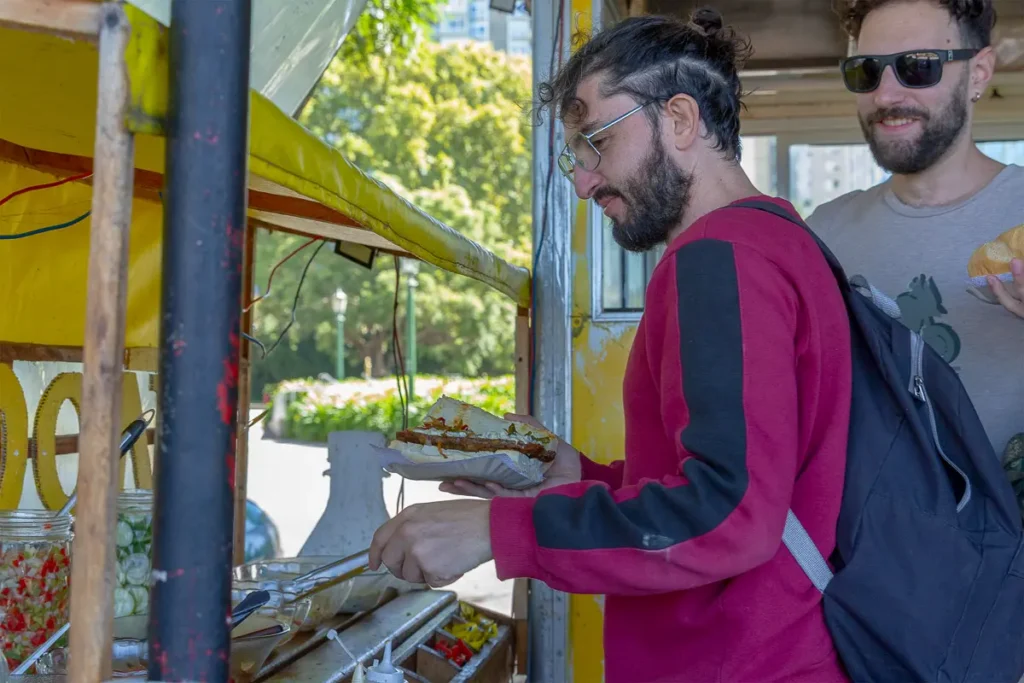
🥪 Feeling hungry? This is the perfect time to eat like a local. Try a choripán — a grilled chorizo sandwich on crusty bread with chimichurri or criolla sauce. Our go-to spot: La Doña, known for generous portions and tasty toppings.
Grab a seat under the trees and enjoy the contrast: skyscrapers behind you, nature and open air all around.
Reserva Ecológica: Nature Grown on Rubble
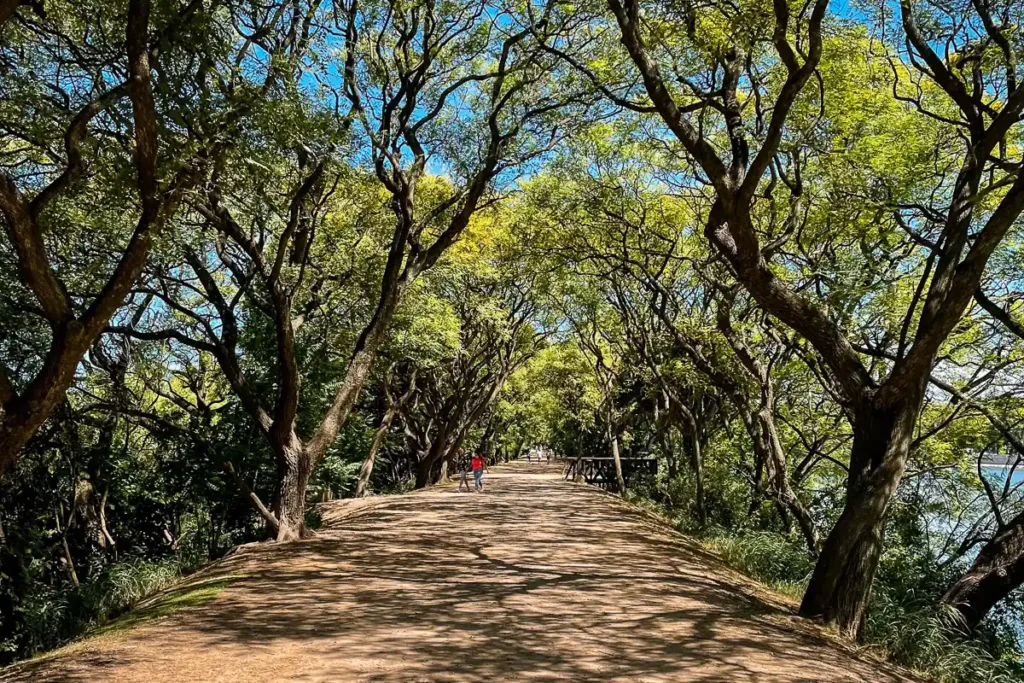
Right next to Puerto Madero, the Reserva Ecológica Costanera Sur offers a totally different experience. It’s hard to believe this wild green space is right in the heart of the city.
This reserve was once part of the river. In the 1970s, rubble from demolished homes — cleared during the military dictatorship for highway construction — was dumped here, creating artificial land. Over time, nature took over. Plants arrived with the river, animals settled in, and a spontaneous ecosystem began to grow.
Declared a protected area in the 1980s, the reserve now has several trails and bike paths where you can spot native birds, butterflies, and unexpected scenery.
🌿 The shortest trail to reach the actual riverbank is about 2 km. It’s an easy walk, but note that most of it is under direct sunlight — so wear sunscreen and bring water, especially on hot days.
🧼 Toilets here are usually clean and well-maintained, and you’ll even find public showers in case you need to cool off.
Keep in mind that the reserve is closed on Mondays and during rainy days, so it’s best to check before your visit.
Caminito: A Colorful Open-Air Museum
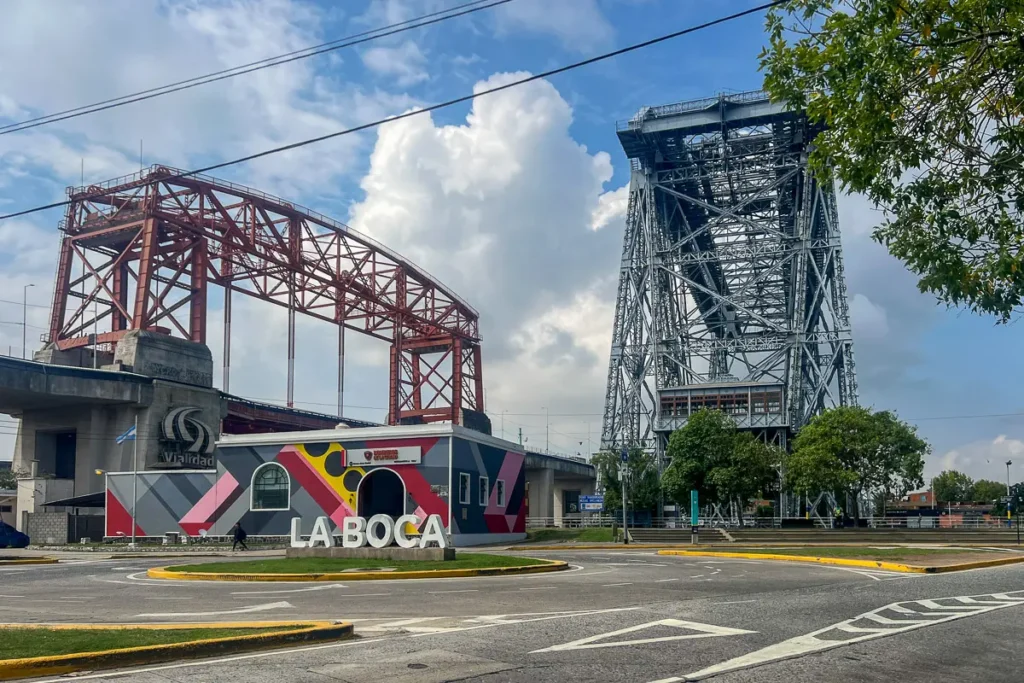
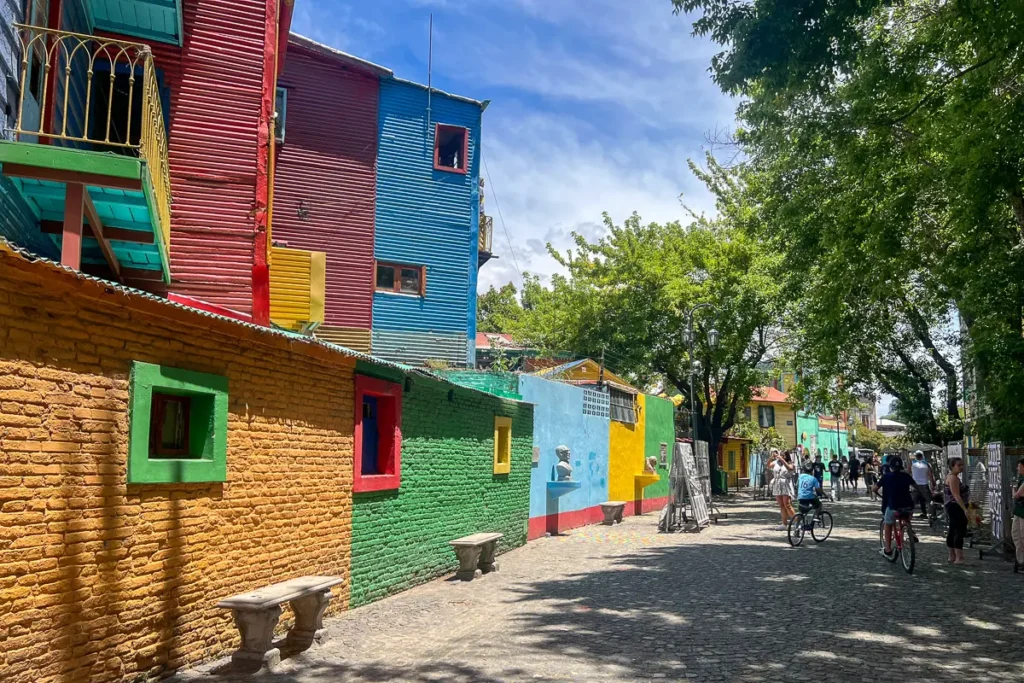
Next stop: Caminito, in the heart of La Boca — a vibrant, photo-friendly corner where Buenos Aires bursts into color.
This pedestrian alley is one of the most visited places in the city. With its painted facades, street art, tango-inspired crafts, and vintage buildings, Caminito feels like stepping into a postcard.
📸 Come after 9:30 a.m. and before 6:00 p.m. That’s when shops and street stalls are open and the area feels alive. Outside those hours, it gets empty quickly.
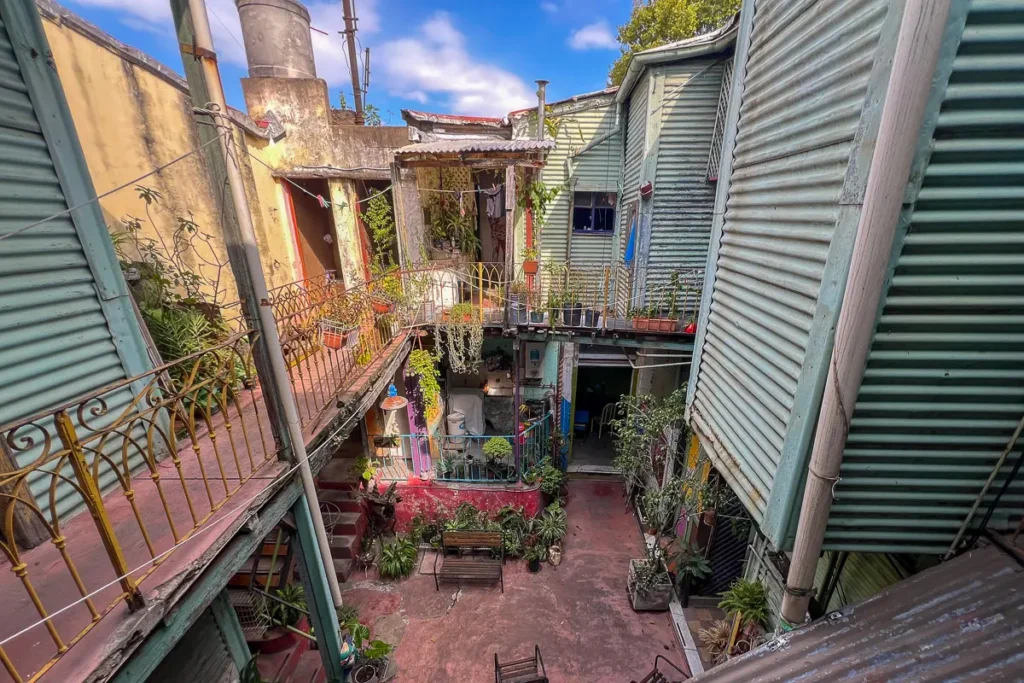
Caminito sits near the old conventillos, shared houses where European immigrants lived over a century ago. It’s also where tango music first emerged — raw, melancholic, and deeply local.
🎨 Looking for a souvenir? This is a great spot to buy original art: from paintings and photography to sculptures made by local artists.
🚖 How to get there? The easiest and safest option is by taxi or rideshare. If you’d rather walk, do so only during daylight (after 9 a.m. and before 5 p.m.), taking Irala Street from Parque Lezama. Some streets around Caminito are not very tourist-friendly, so it’s best to avoid wandering off-route.
Fundación PROA: Art and Views in La Boca
Just steps away from Caminito (within the same safe tourist area), you’ll find
Fundación PROA, a modern art museum housed in a restored Italianate building.
Inside, you’ll discover rotating exhibitions focused on contemporary artists from Argentina and around the world. In recent years, PROA has hosted big names — including Ai Weiwei’s striking sculpture made entirely of bicycles.
🖼️ Check out the current exhibits on their website before your visit — they’re usually well-curated and engaging.
☕ Don’t miss the rooftop café. It’s a peaceful place to take a break, with one of the best views over La Boca’s colorful streets and the river.
You can enjoy the rooftop café from Wednesday to Sunday, between 12 p.m. and 7 p.m.
La Bombonera: More Than a Stadium
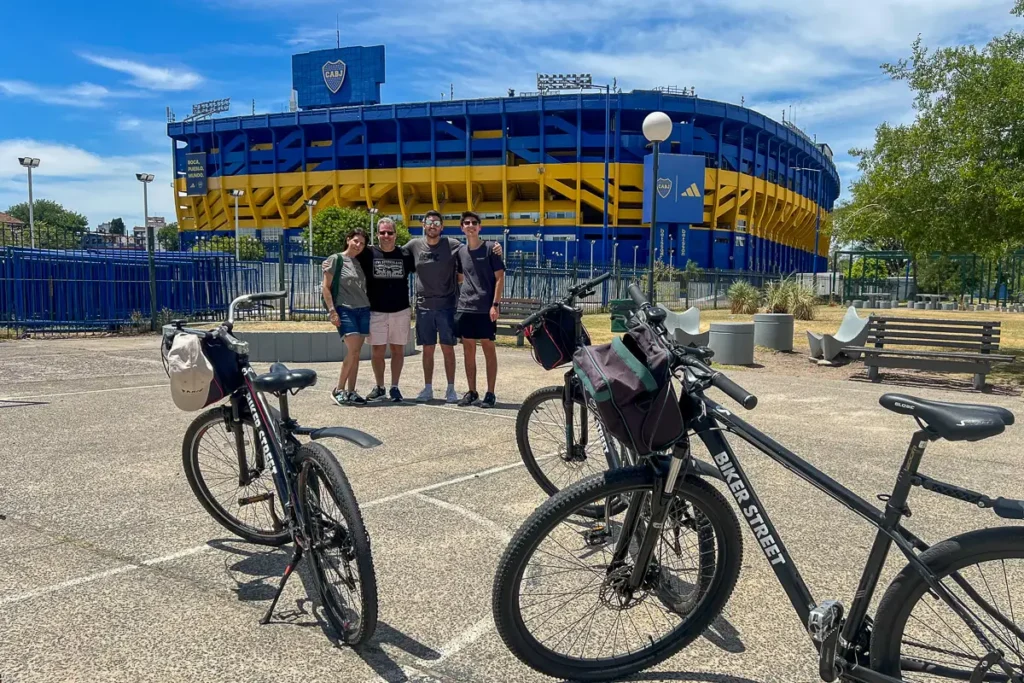
A few blocks from Caminito stands La Bombonera, the iconic stadium of Boca Juniors, one of Argentina’s most popular football clubs.
Even if you’re not a fútbol fan, it’s worth seeing. The stadium is famous for its steep stands, vibrant atmosphere, and strong ties to working-class culture.
Inside, you’ll find the Boca Juniors Museum, where you can learn about the club’s history and tour the stadium — including the pitch, locker rooms, and stands.
⚽ Boca’s rivalry with River Plate is one of the fiercest in world football. While recent years have favored River on the pitch, Boca still holds a special place in the city’s soul.
Game day or not, La Bombonera is pure Buenos Aires.
San Telmo: Where History Lingers
Cross into San Telmo, one of the city’s oldest neighborhoods and a place that has preserved its original spirit.
Walking its narrow, cobbled streets, you’ll see crumbling mansions, colonial houses, and iron lamps — a glimpse into what the city looked like 200 years ago.
San Telmo also comes alive at night, with its many bars, tango venues, and small restaurants tucked into old buildings.
🛍️ Visit Plaza Dorrego, the heart of the neighborhood, where artisans set up stalls to sell handmade crafts and antiques.
Feeling hungry again? You’re in luck — San Telmo is packed with great food options. You’ll find some of our favorite spots listed here.
Mercado de San Telmo: A Mix of Past and Present
Last stop: Mercado de San Telmo, one of the city’s most atmospheric markets. Built in the late 1800s and recently revived, it’s a perfect blend of old and new.
Antique vendors, fruit stalls, vintage shops, cafés, and international cuisine all share this iconic building, designed by Juan Antonio Buschiazzo — one of the first architects trained at the University of Buenos Aires.
☕ Grab a specialty coffee at Café Town, or try a pastry from Merci — two of our favorite spots inside the market.
Whether you’re after a souvenir, a snack, or just a bit of people-watching, this market is a must.
Hidden corners of San Telmo
If you still have some time and curiosity left, there are a couple of nearby hidden gems worth checking out.
One of them is
El Zanjón de Granados, a beautifully restored building that offers a guided journey through underground tunnels dating back to colonial times. It’s not your typical museum — you’ll walk beneath the surface and hear stories of how Buenos Aires evolved, layer by layer. The visit is only available with guided tours, which have an additional cost, but it’s a great option for those interested in history and architecture.
Just around the corner, don’t miss Pasaje San Lorenzo, a short cobblestone alley that often goes unnoticed. Its colorful houses, calm atmosphere, and old-world charm make it one of the most photogenic spots in the area — and a lovely break from the busier parts of the neighborhood.
These places are perfect if you want to dig a little deeper into San Telmo’s past, beyond the main streets and markets.
Conclusion
This route offers a true taste of Buenos Aires in all its forms — from its immigrant roots to its modern-day rhythm. It’s not just about visiting famous landmarks; it’s about noticing the details, listening to the sounds, and feeling the stories behind each place.
If you followed this path, you’ve seen where the city began, how it evolved, and how each corner still carries a piece of its identity.
🌭 Our last tip? Take a break and grab a choripán or an empanada — simple, local flavors that carry the spirit of Buenos Aires in every bite. And don’t forget: street food is cash only, so bring some pesos with you.
When you’re ready to explore a different side of the city, check out our next self-guided routes: